Artificial intelligence is transforming digital marketing by helping professionals create content, improve SEO, analyze data, design visuals, and automate marketing campaigns by using the best AI Tools.
Whether you are a beginner, blogger, freelancer, social media manager, or business owner, the right AI tools can save time, improve productivity, and help you make better marketing decisions.
In this guide, we’ll explore the best AI tools for digital marketers in 2026, their key features, and how to use them effectively.
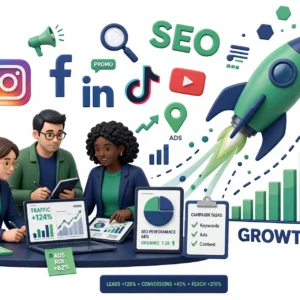
Best AI Tools at a Glance http://www.google.com
1. ChatGPT — Best for All-in-One Marketing
Create blog outlines, brainstorm campaign ideas, write social media captions, research topics, and analyze marketing data.
2. Jasper — Best for Marketing Copy
Generate marketing copy, campaign messaging, product descriptions, and brand-consistent content.
3. Semrush — Best for SEO Research
Research keywords, audit websites, analyze competitors, and identify opportunities to improve search visibility.
4. Canva — Best for Visual Content
Design social media posts, advertisements, presentations, thumbnails, and marketing materials with AI-assisted features.
5. Grammarly — Best for Editing
Improve grammar, clarity, tone, readability, and professionalism in emails, articles, and marketing copy.
Which AI Tools Are Best for Beginners?
If you are just starting, you don’t need to subscribe to every tool. Begin with a small toolkit and add specialist software as your work grows. https://varsha.mceiclass.org/
| Your goal | Recommended tool |
|---|---|
| Write blog posts | ChatGPT |
| Research topics | Gemini or Perplexity |
| Find keywords | Semrush or Ahrefs |
| Design social media posts | Canva |
| Improve writing quality | Grammarly |
| Schedule social posts | Buffer |
| Create AI images | Adobe Firefly |
| Manage leads and campaigns | HubSpot |
Best Practices When Using AI for Digital Marketing
-
Fact-check everything: AI can generate inaccurate claims, statistics, or sources.
-
Keep content original: Add expertise, real examples, and useful insights rather than publishing generic AI output.
-
Protect customer information: Avoid entering confidential customer or business data into tools without appropriate safeguards.
-
Measure business results: Evaluate leads, sales, engagement, and conversions instead of relying only on output volume.
-
Choose tools carefully: Start with free or existing tools before paying for overlapping features.
Final recommendation
For most beginners, a practical starting combination is ChatGPT + Canva + Google Search Console + Google Analytics. Add Semrush or Ahrefs when you need more advanced SEO research, and consider HubSpot when lead management and automation become important.
For a digital marketing blog, ChatGPT, a keyword research tool, and Canva are a particularly useful starting point.